
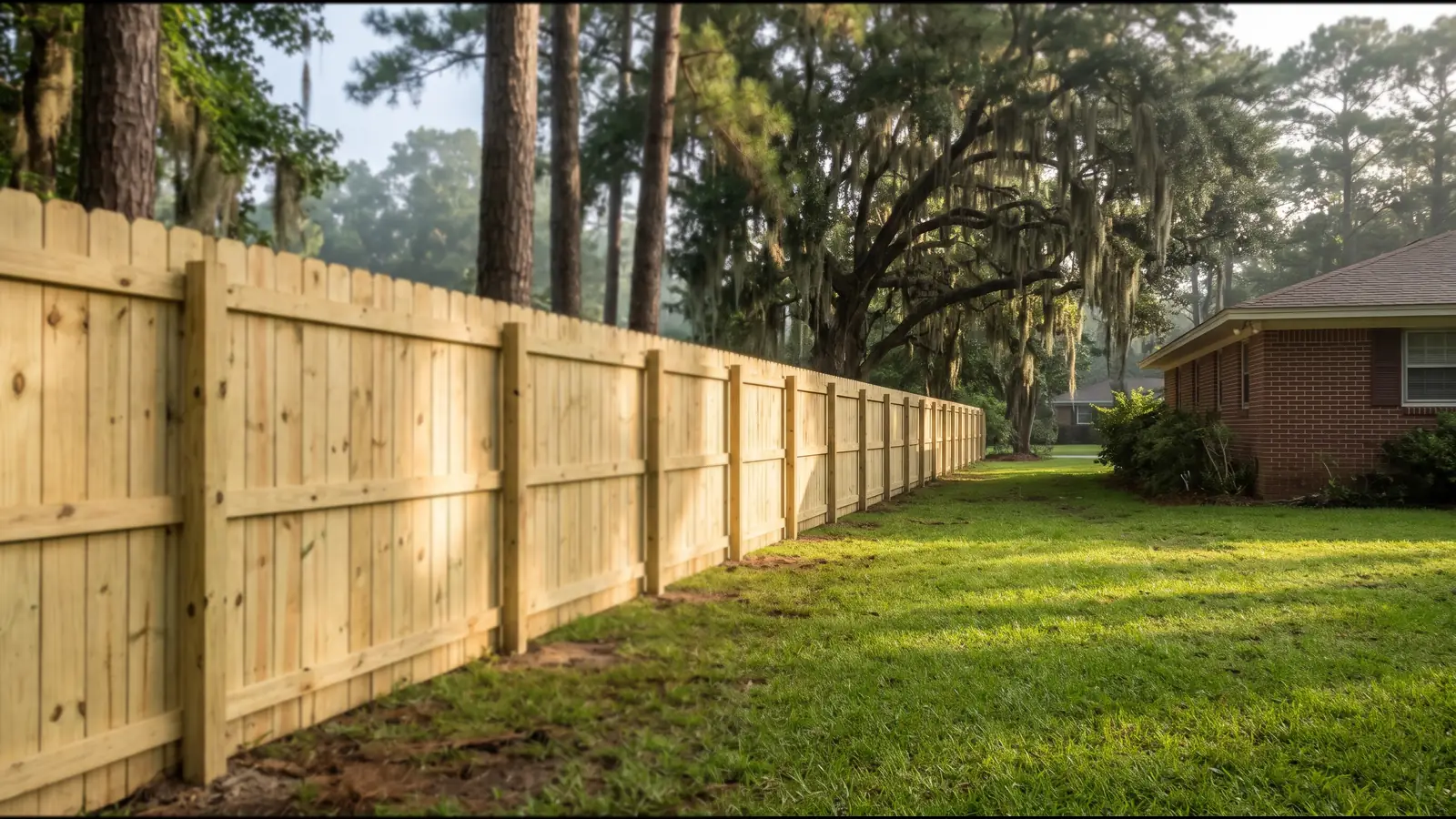
Horse Fence Types by Pasture and Paddock
Horses run into fences, lean over them and chew them, so a horse fence has to be seen, give a little on impact and leave nothing for a hoof to catch in. Cattle wire that works next door can hurt a horse.
Three- and Four-Board Wood Fence
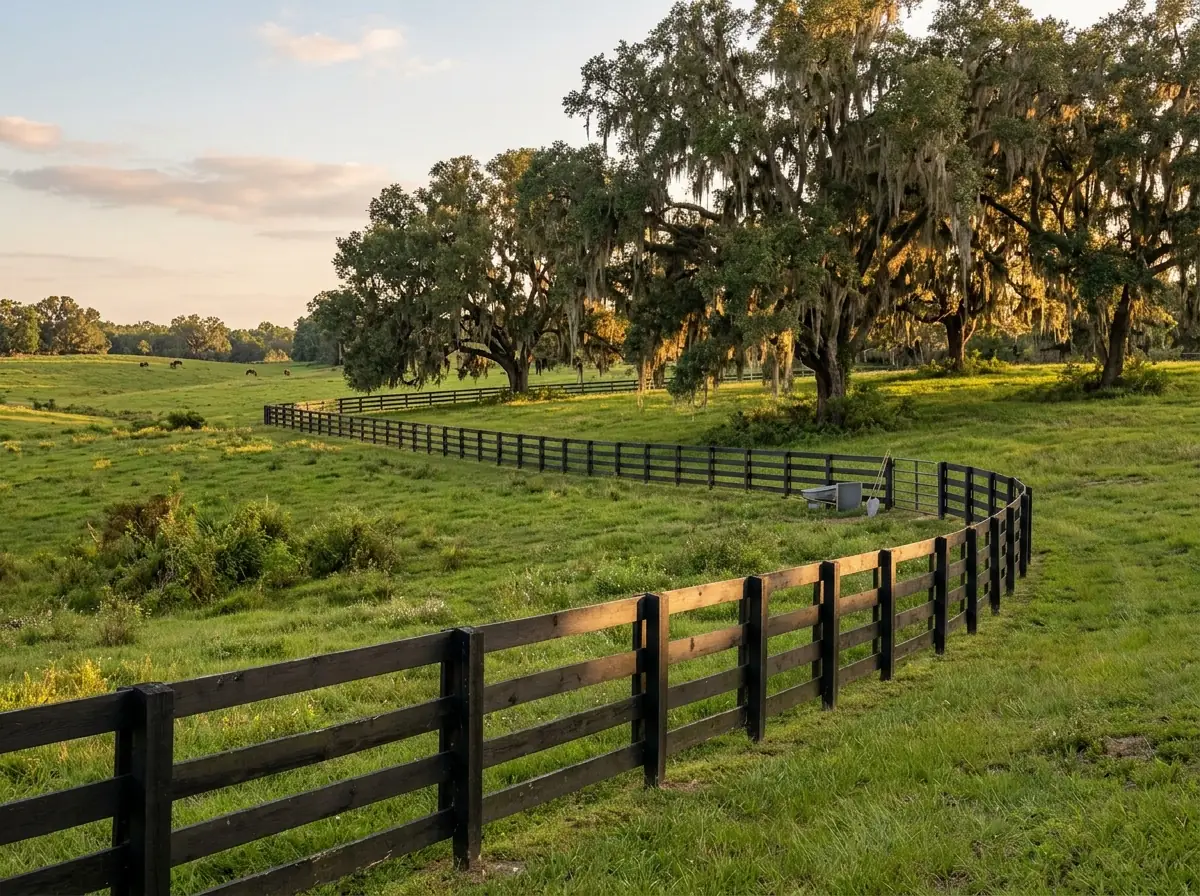
Board fence is the look most people picture for a horse farm, and horses see it well. HomeGuide lists pine or oak board at about $6 to $10 per foot installed. Expect upkeep: guides warn of chewing, kicking and leaning, and boards need paint or stain and replacement over time. Ask for posts treated for ground contact (the termite and UC4A details are on Wood Privacy Fences).
No-Climb Horse Wire
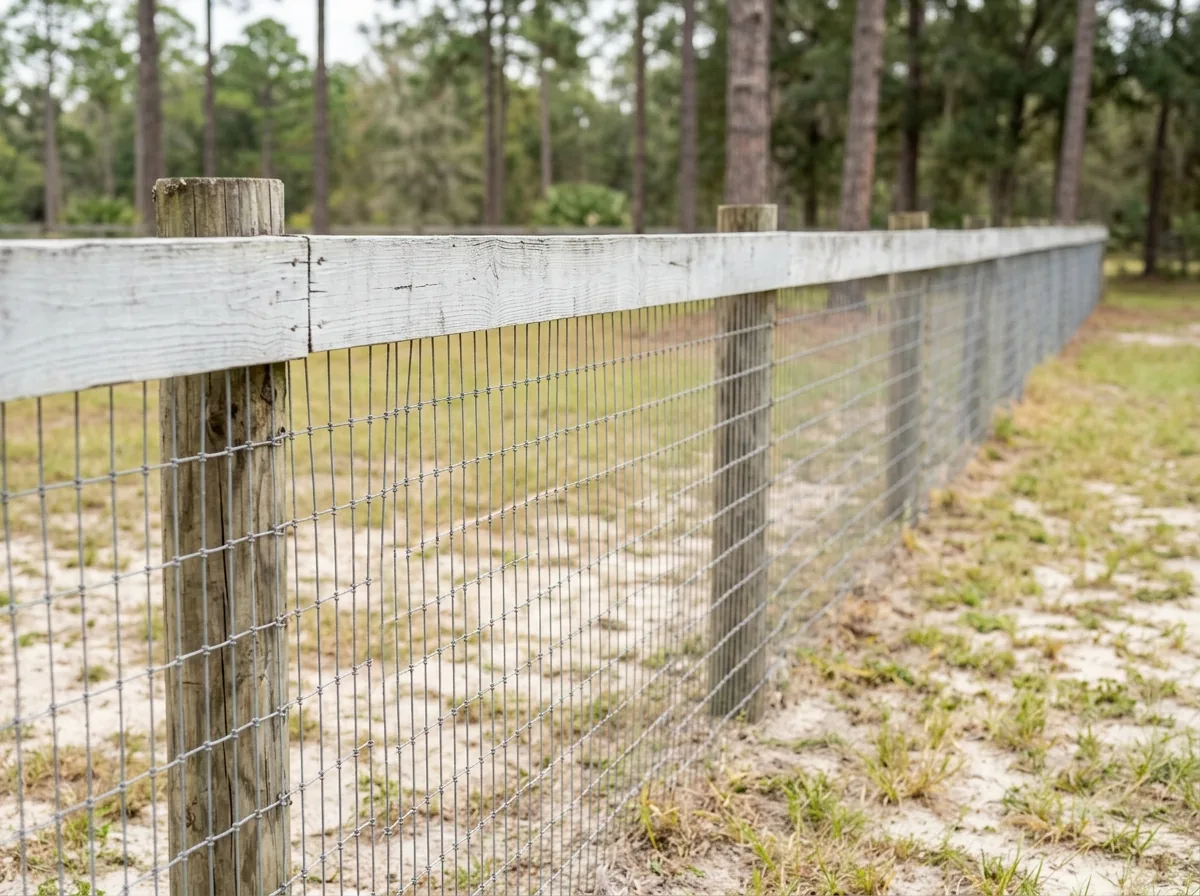
No-climb is woven mesh with small rectangular openings that a hoof or leg can't push through. At about $3 to $5 per foot installed it is one of the safer budget choices, and the mesh is easy for horses to see. Guides also rate it steadier than strand wire and easier to keep up than wood.
Vinyl and Flexible Rail Horse Fence
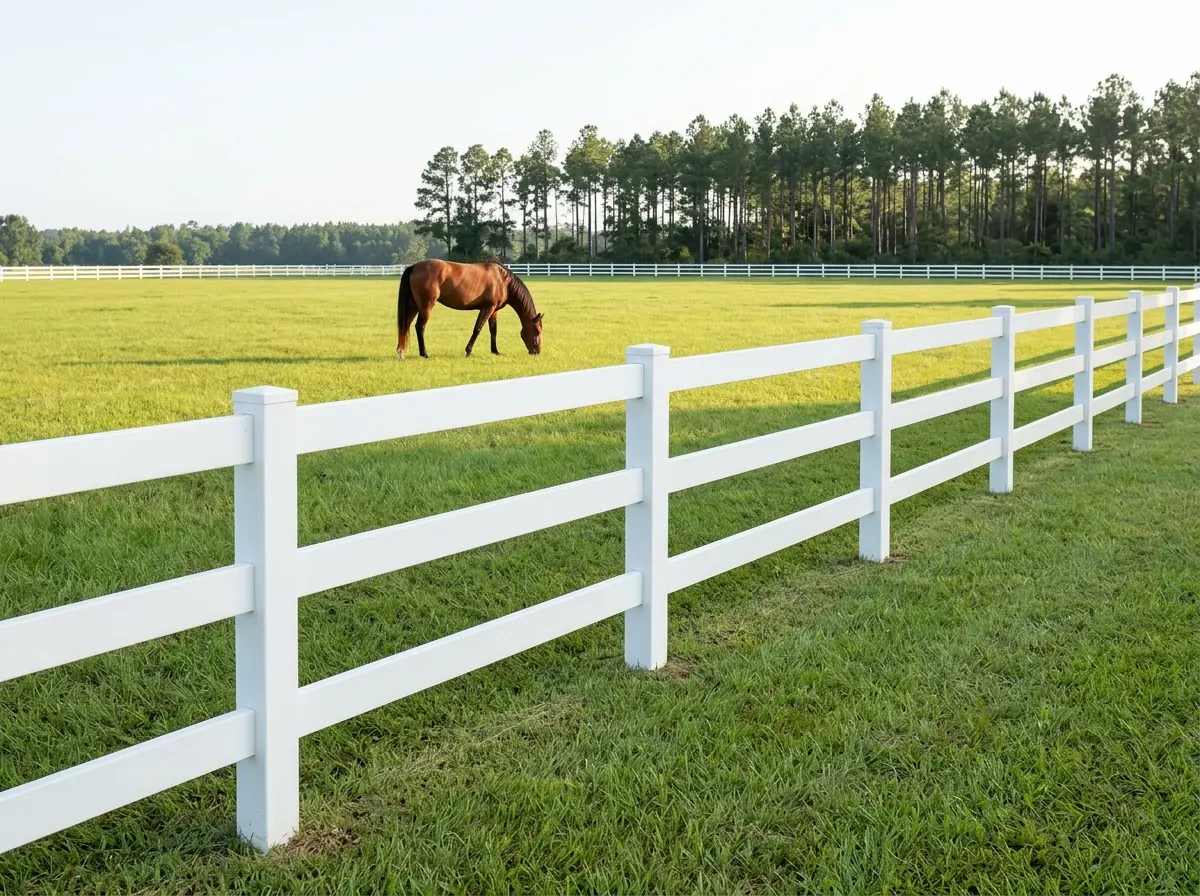
Rigid vinyl rail never needs paint and won't rot, but it costs about $15 to $30 per foot and a broken section usually has to be replaced, not patched. Flexible plastic horse rail looks like board fence, bends on impact and returns to shape, at roughly $4 to $8 per foot for three rails. Ask which one the quote means; "vinyl rail" is used for both.
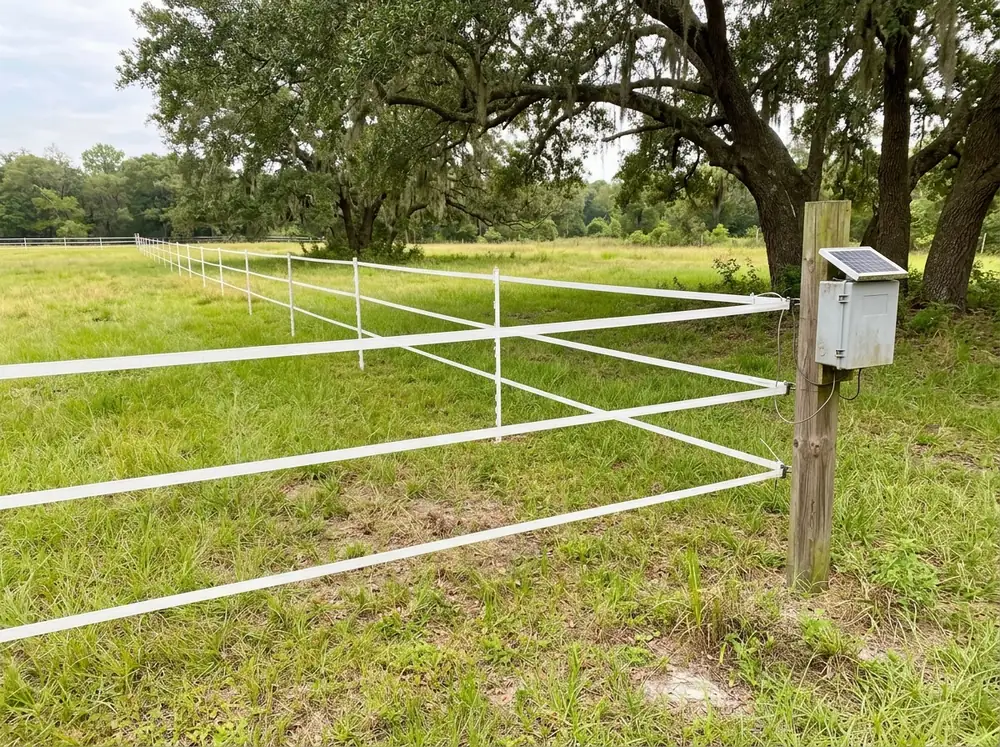
Electric Tape and Coated Wire
Wide tape, braid or coated wire is the cheapest way to fence or split a pasture. Coated wire runs about $1 to $2 per foot for five strands; electrified coated wire about $1.50 to $3. Guides recommend four or five strands for a perimeter, fewer for cross fences, and coated wire rather than bare high-tensile, which can slice a leg like a cheese cutter. Horses also need to see it, which is why the tape is wide.
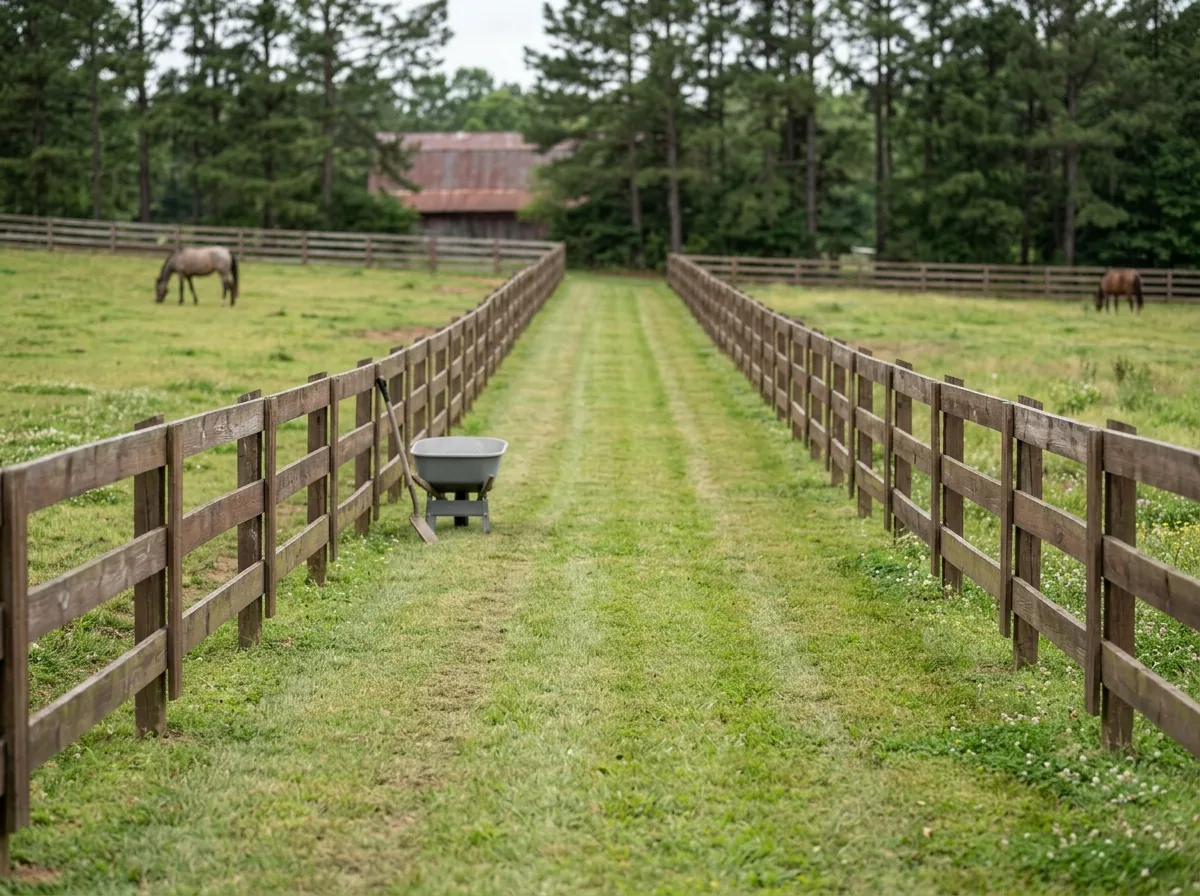
Paddock and Arena Fence
Where two paddocks meet, many farms build two fences with an alley between them so horses can't bite or kick across the line. Steel pipe fence is the heavy-duty option at about $20 to $40 per foot, though guides note its rigidity can raise injury risk in a collision, so it suits arenas and pens more than open pasture.
Why Tallahassee homeowners call Tallahassee Expert Fencing
- The call and the form are free
- Your request goes to one contractor, not a list of bidders
- Ask for posts, gates, removal and cleanup priced line by line
- Hold the final payment until the gates swing and latch
Horse Fence Cost by Type
National installed ranges per linear foot from HomeGuide's horse fencing guide. Gates, corners and site clearing come on top.
| Horse fence type | Installed per linear foot |
|---|---|
| Coated wire, 5 strands | $1-$2 |
| Electric coated wire or tape, 5 strands | $1.50-$3 |
| No-climb mesh | $3-$5 |
| Flexible horse rail, 3 rails | $4-$8 |
| Wood board, pine or oak | $6-$10 |
| Vinyl rail | $15-$30 |
| Steel pipe | $20-$40 |
Horse Fence Height and Layout Checks
Height
Guides set horse fence at 54 to 60 inches. Stallions, big breeds and known jumpers may need up to 6 feet.Mixing materials
A common way to stretch a budget is board or rail where the fence is seen from the house and road, then tape or no-climb on back pastures.Road frontage
Florida counts horses as livestock, and an owner can be liable when they get onto a public road. The statute is summarized on Farm and Ranch Fencing.Gates
Wide gates for a trailer and tractor sit on braced posts; small walk-through gates go near the barn.Before digging
Every post hole needs a utility locate first (see Chain Link Fences).
For a rustic two- or three-rail look on a smaller lot, compare Split Rail Fences.