
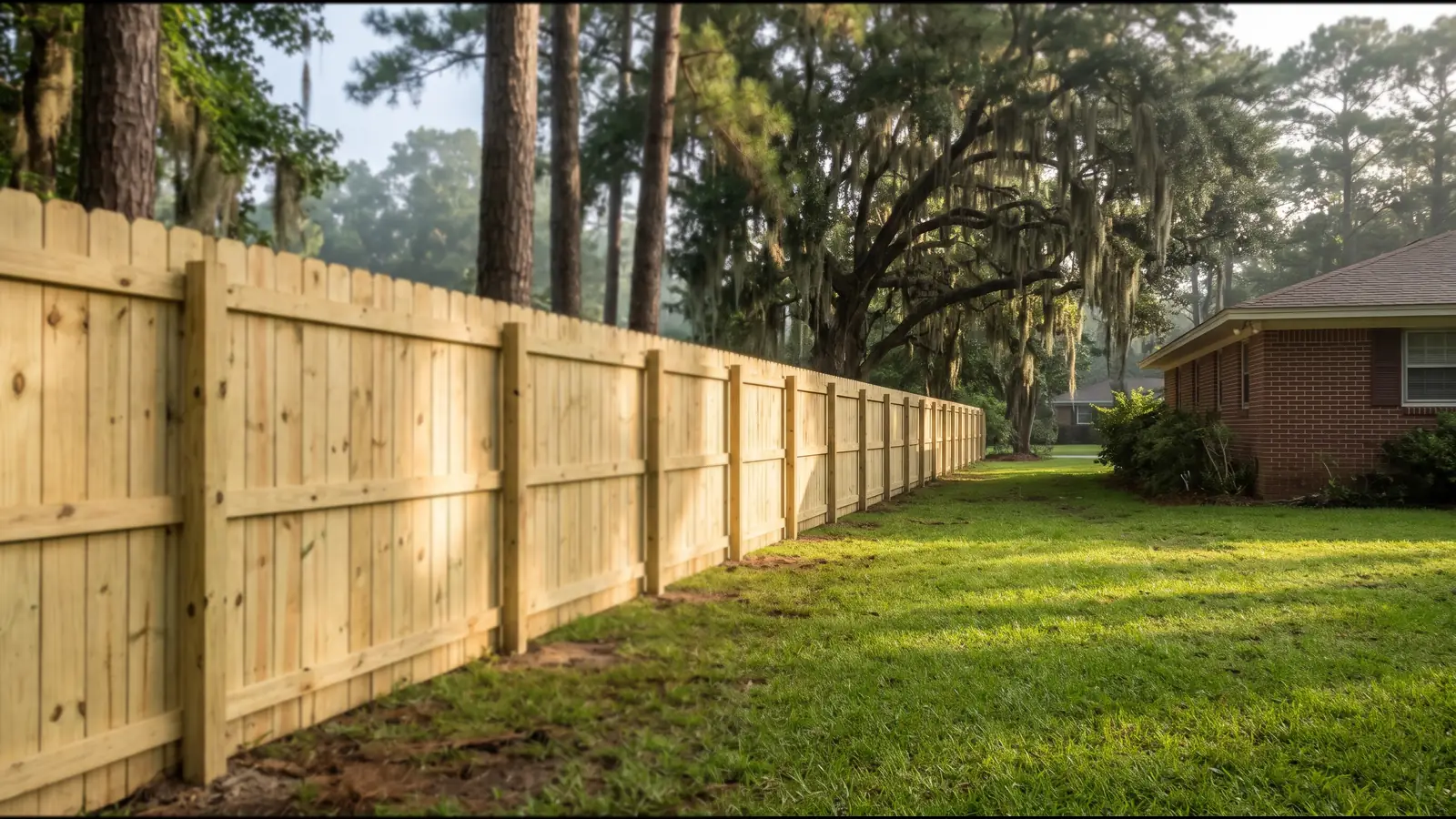
Dog Fence Types by How Your Dog Escapes
A dog fence fails at the bottom, at the gate or at the top, depending on the dog. A digger needs the base closed off, a small breed needs tight gaps, and a jumper needs height. Start from how your dog gets out and pick the type from there.
Wood Privacy Fence with Dig Guard
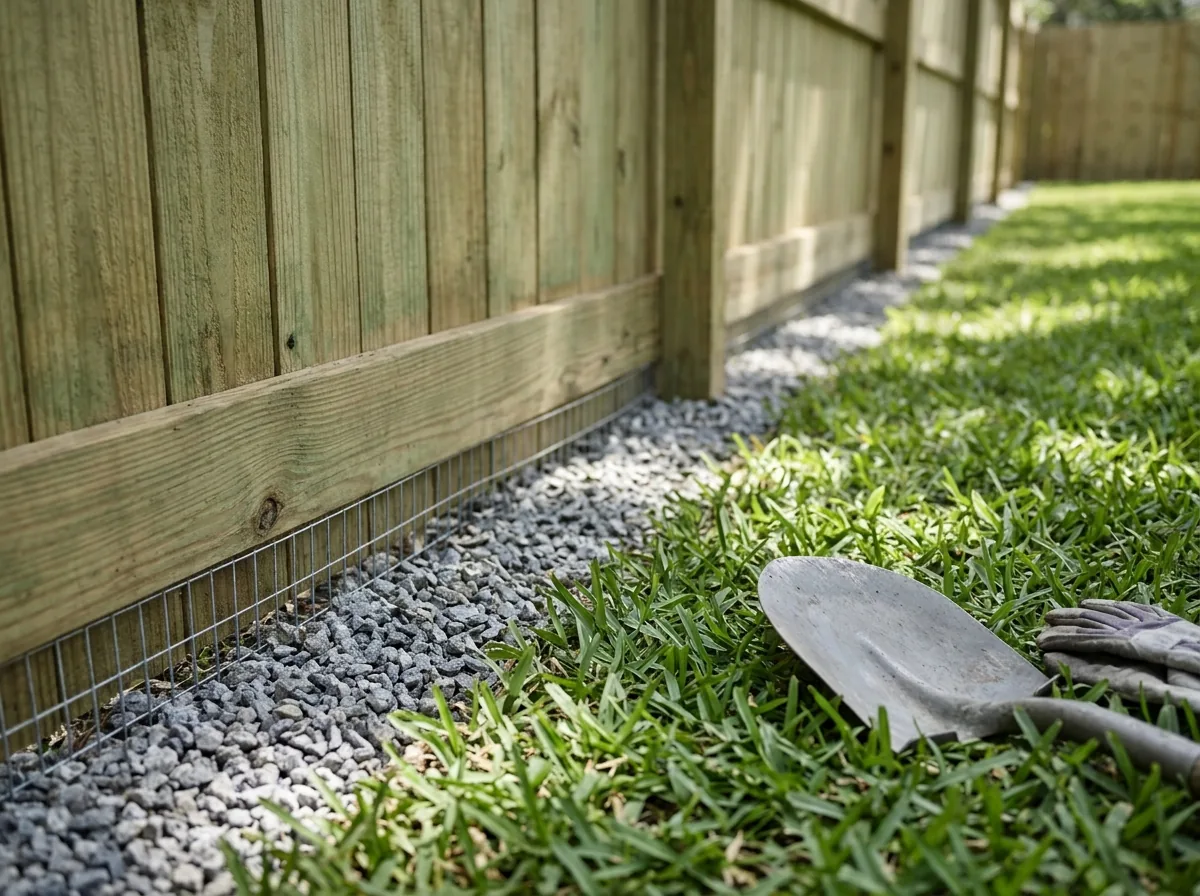
A solid wood fence blocks the view, and HomeGuide notes privacy fencing keeps dogs from getting as distracted by what goes on outside. The weak spot is the gap under the bottom board. Ask how the installer closes it off: a strip of wire mesh buried along the base, a gravel border, or both. HomeGuide suggests a gravel border as a simple way to discourage digging. Board styles and wood prices are on Wood Privacy Fences.
Puppy-Picket Aluminum
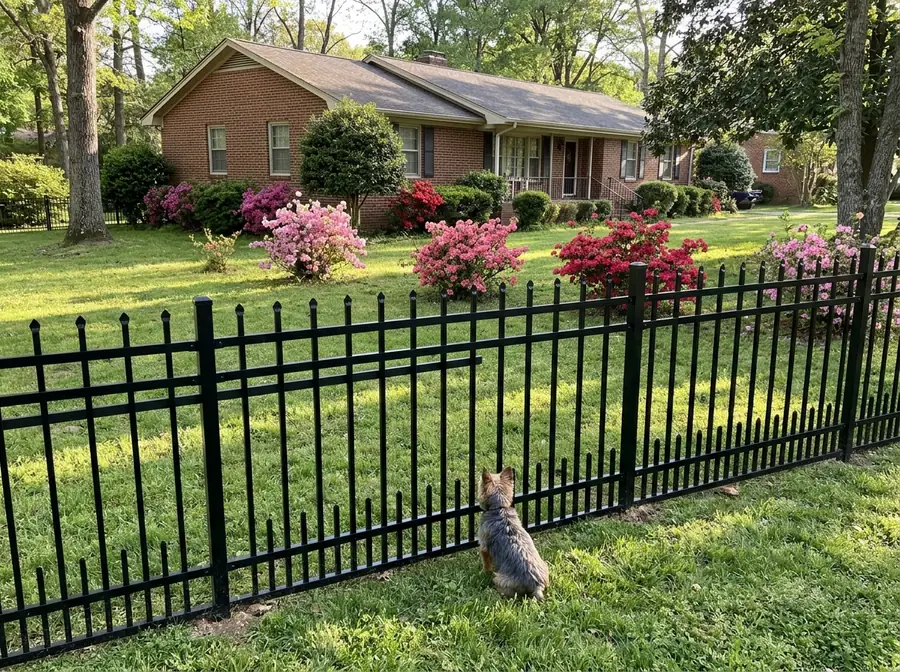
Standard aluminum pickets can leave gaps a small dog will push through. Puppy-picket panels use three rails and keep the space between pickets under 3 inches. Guides add that some anxious dogs settle better behind an open fence they can see through. Aluminum prices and styles are on Aluminum Fences.
Chain Link Dog Run
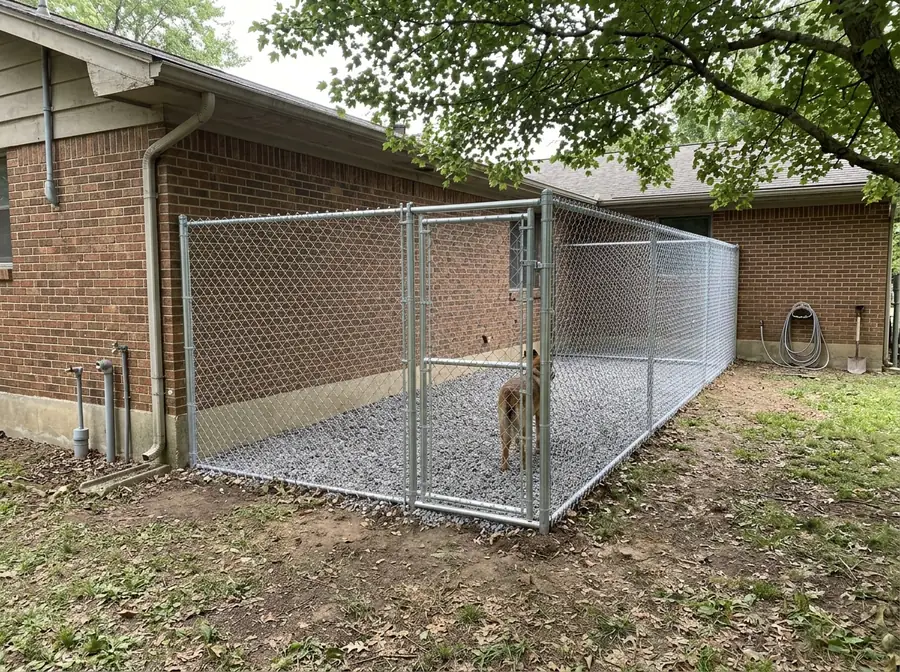
A dog run fences off one strip of the yard, often a side yard, instead of the whole lot. Chain link is the usual material because it is strong, cheap per foot and easy to fit with a gate. Ask for a gravel or concrete floor at the base so the run doesn't turn to mud, and privacy slats if the dog reacts to the neighbors. Chain link sizes and prices are on Chain Link Fences.
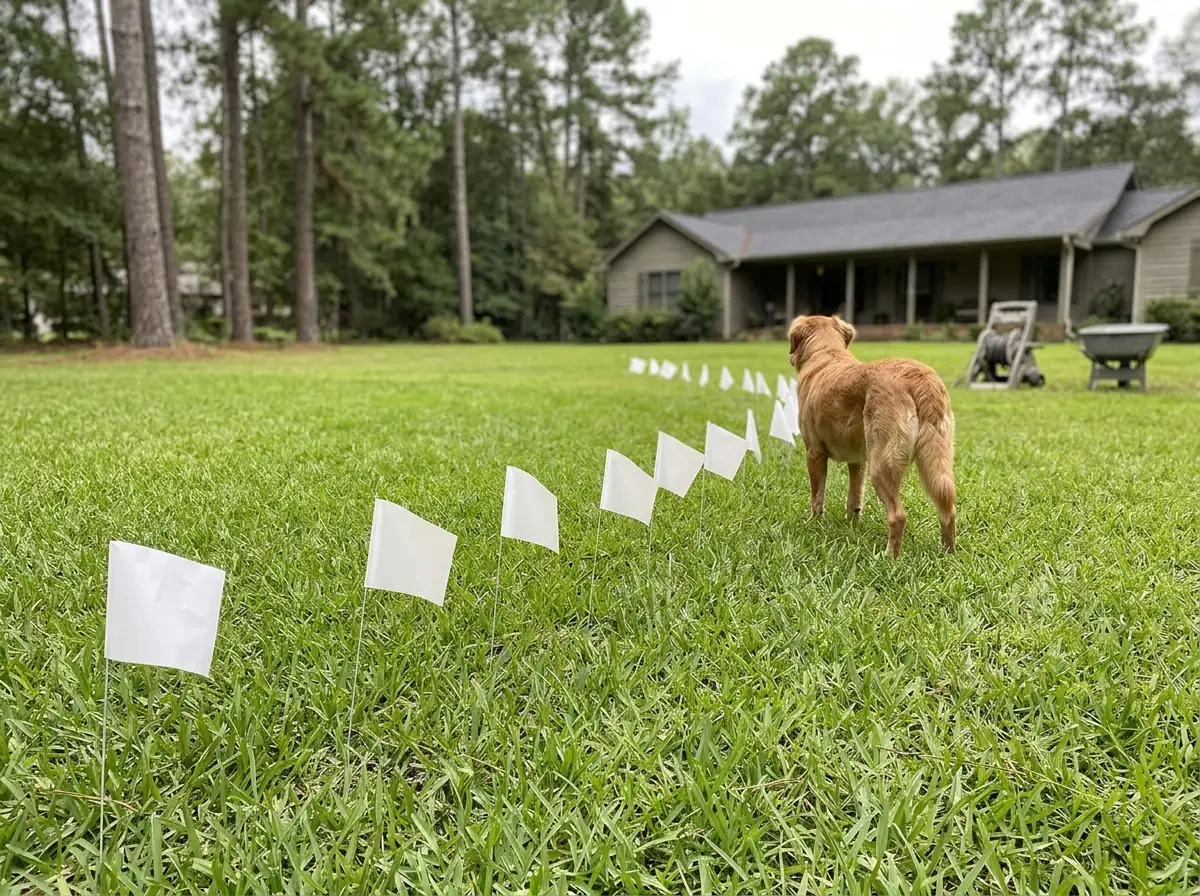
Invisible and Underground Dog Fence
A buried wire sets the boundary and a collar warns the dog with a tone, vibration or mild shock as it gets close. It keeps the view open and costs less than most physical fences.
- Underground wire system: $800 to $2,800 installed
- GPS collar system: $450 to $1,300 installed
- Wireless plug-in kit: $100 to $325, but the boundary can only be a circle
Two cautions from the guides. Clay or rocky ground can double the labor to bury the wire. And these systems don't contain every dog and can cause behavior problems, so talk to your vet first. They also keep nothing out. Not every fence contractor installs pet containment systems, so ask whether the installer does.
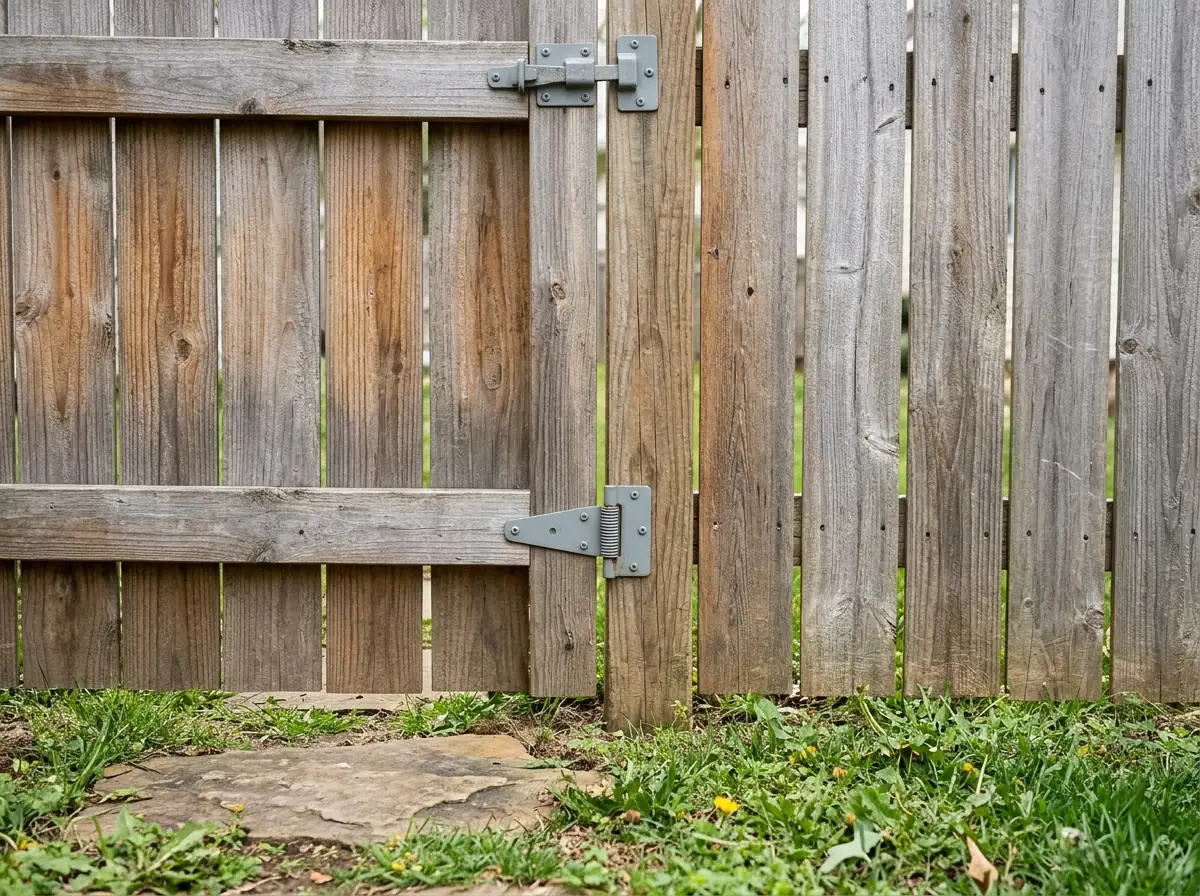
Dog-Proof Gates and Latches
Spring hinges pull a gate shut, and a latch mounted high or on the outside is harder for a dog to nose open. Ask for a small gap under the gate to match the rest of the fence. If the yard also has a pool, the gate rules are stricter (see Pool Fences).
Why Tallahassee homeowners call Tallahassee Expert Fencing
- The call and the form are free
- Your request goes to one contractor, not a list of bidders
- Ask for posts, gates, removal and cleanup priced line by line
- Hold the final payment until the gates swing and latch
Choosing a Dog Fence: Quick Comparison
| Dog | Fence that fits | Watch for |
|---|---|---|
| Digger | Wood or chain link with buried mesh or gravel at the base | Gaps under gates |
| Small breed | Puppy-picket aluminum or chain link | Picket and gate gaps |
| Jumper or climber | Taller solid fence | Anything to climb near the fence line |
| Escape-prone and easy to train | Underground wire, with training | Collar batteries and boundary checks |
| Big yard, calm dog | Split rail with wire mesh | Low height |
Before a Dog Fence Goes In
Height
Check the city height limits before ordering a tall fence; they are summarized on Wood Privacy Fences.Utility lines
Posts and buried pet-fence wire both need a locate first (see Chain Link Fences).Existing fence
A sound fence can often be dog-proofed with mesh at the base or a new gate rather than replaced. See Fence Repair.